


 Rice-based cereals contained 12x the arsenic of the rest of the category on a per serving basis.
All but one cereal we tested contained acrylamide. The encouraging news is that levels weren’t the same across products—some cereals contained considerably less than others. In fact, some cereals contained 21x more acrylamide than others, showing that lower levels are achievable.
 The type of grain matters, too. Cereals made with wheat or oats contained about 2.5x more acrylamide per serving than cereals made with rice or corn.

 Good news for families: We found no detectable BPA or BPS in any of the 77 cereals we tested. Compared with our 2018–2019 study, this suggests the cereal category has made meaningful progress in reducing these plastic-related chemicals.


Crazy for cocoa? Here’s something to know. Cereals made with cocoa, chocolate, or cacao contained, typically, more than 2x as much lead as cereals without those ingredients.

In fact, 12 of the 13 chocolate-containing cereals we tested had detectable lead.


Glyphosate remains a concern amongst consumers and for good reason. Where we did find it, we found a lot of it. In fact, four products accounted for 81% of all the glyphosate we measured across the entire category.
 The single highest cereal delivered more than twice the glyphosate per serving of any other product we tested

 Chlormequat—a pesticide that’s received growing attention for its presence in foods like cereal—isn’t the only pesticide that can end up in your morning bowl. Because it’s commonly used on grain crops, it’s frequently found in cereals. Clean Label Project® also detected methoxyfenozide, acetamiprid, and metalaxyl in the cereal samples we tested.
A cereal that’s low in contaminants isn’t automatically a healthy choice if it’s loaded with sugar and offers little nutritional value. Likewise, a cereal packed with nutrients, fiber, or protein isn’t automatically the best choice if it also contains higher levels of heavy metals, pesticides, bisphenols or other environmental toxins.

The winning breakfast strikes the balance between both. It delivers strong nutrition while minimizing contaminant exposure—without sacrificing taste.


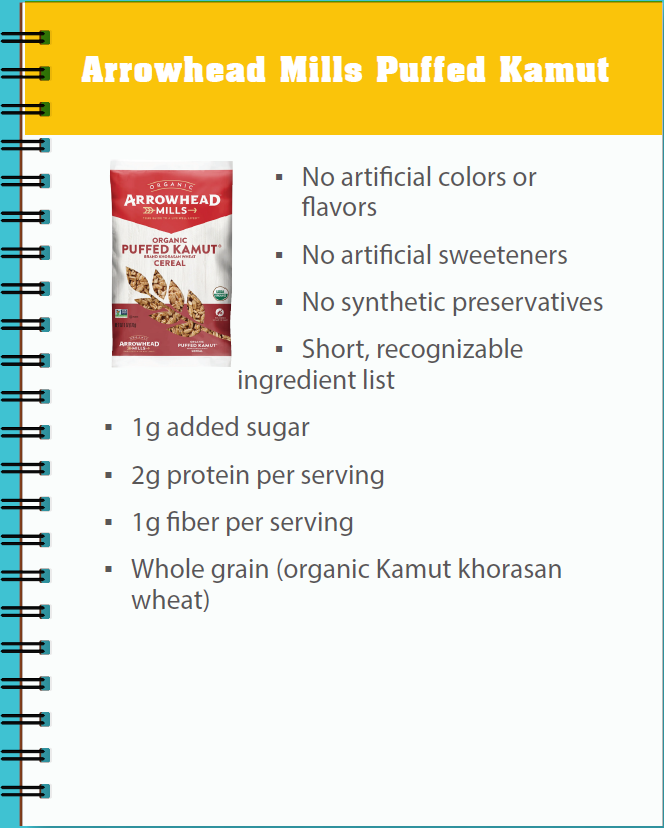
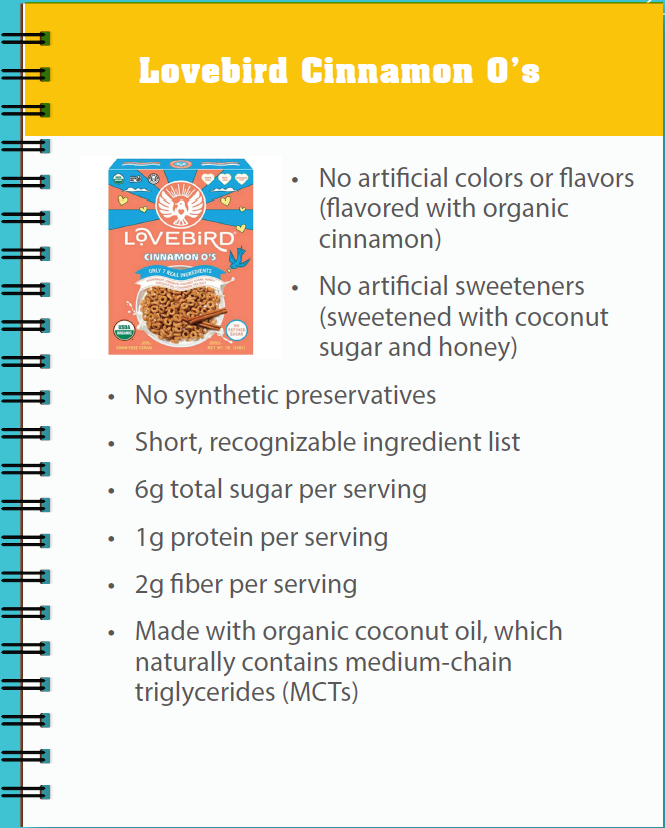
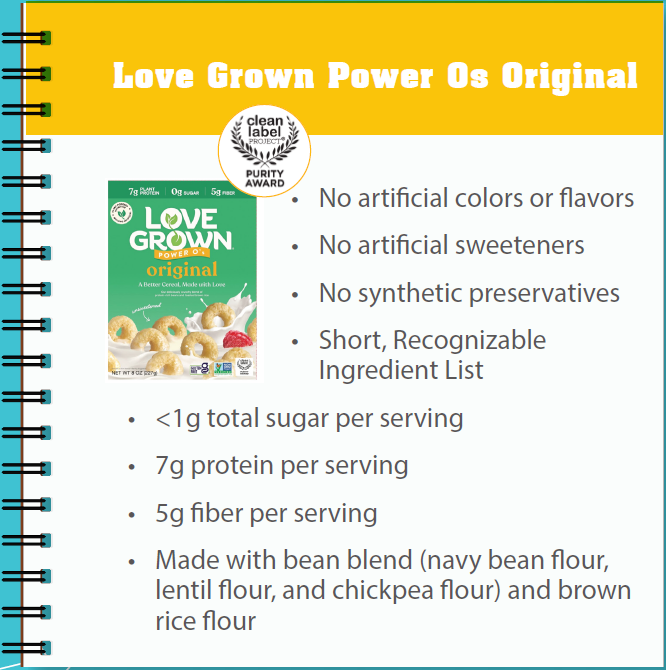
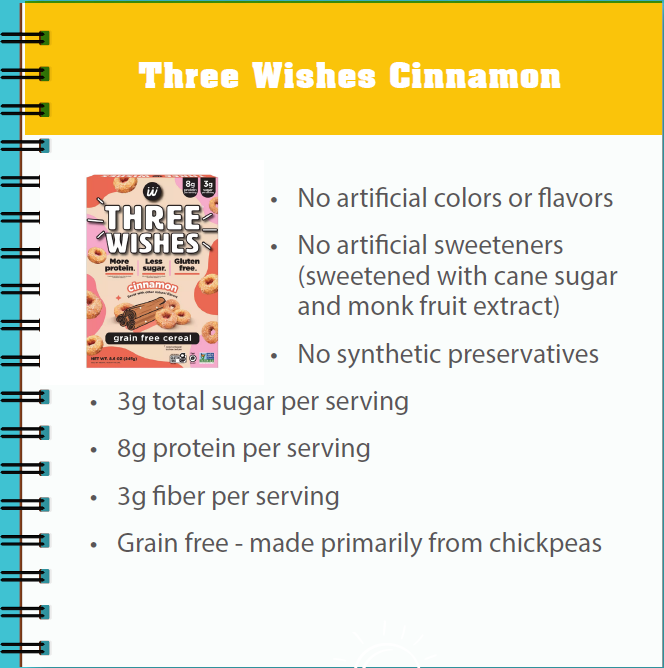
The cereals on this list represent the products that hit many of our criteria and performed best across the factors that matter most to families: both what’s in the nutrition facts panel and what isn’t.