WHY ONE LAB FINDS CONTAMINANTS AND ANOTHER DOESN'T

A consumer's Guide to Understanding Lab Results

Published September 8, 2026

MAKING SENSE OF CONFLICTING LAB RESULTS

It can be confusing when one lab reports that a product contains a contaminant while another reports it as “non-detect.” The difference may come down to four key factors:


  • The lab is not ISO 17025-accredited
  • Detection Limits (LoD & LoQ)
  • Testing Equipment & Methodology
  • Serving Size Considerations

THE DATABASE BEHIND THE TESTING


Clean Label Project® evaluates consumer products for a broad range of contaminants using the proprietary contaminant database from Ellipse Analytics, an ISO 17025-accredited laboratory. Built from more than a decade of testing thousands of consumer products across 40+ categories, it is the largest contaminant database in the consumer packaged goods industry

DETECTION LIMITS

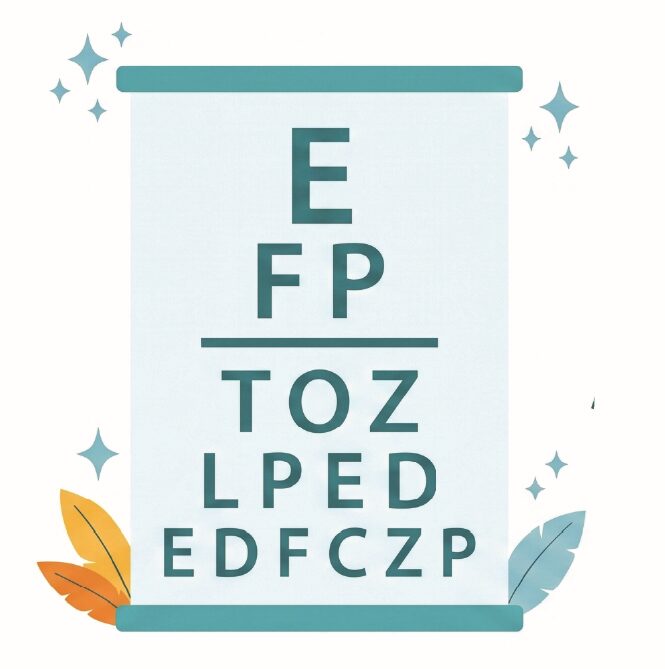
Think of Limit of Detection (LoD) as the smallest letters on an eye chart – you know something is there, but you can’t clearly identify what you’re seeing. 

Think of Limit of Quantification (LoQ) as the smallest line on the eye chart that you can clearly read.

The best labs have the lowest LoQs

Serving Size

Some laboratories measure only how much of a contaminant is present in a product, while others also factor in serving size to calculate the amount a consumer is likely to ingest or be exposed to when using the product as intended.


Evaluating exposure on a per-serving basis provides a more meaningful assessment of real-world consumer exposure and can offer additional context when comparing products.


Experienced labs provide more than test results – they bring the technical knowledge needed to interpret findings, understand limitations, and provide meaningful context around what the results mean.

Testing & Methodology

Not all laboratories use the same instruments or analytical methods. Each lab develops and validates its own testing procedures, and differences in equipment, sample preparation, and methodology all influence the sensitivity of the results.


Look for ISO 17025-accredited labs with experience testing the type of product and the specific contaminants they’re evaluating. A lab’s expertise matters – just like you wouldn’t see a foot doctor for an ear infection, you want the right specialist performing the testing & analysis.


Think of it like a high-performance camera capturing details that an older camera misses – more advanced laboratory instrumentation can detect contaminants at much lower concentrations.
Testing & Methodology

Lab equipment and testing methods are akin to two people trying to read the tiny print on a medicine bottle. One person can read every word clearly, while the other person can’t make out the text – even with glasses. The words haven’t disappeared – one person simply has better vision.


Likewise, more sensitive laboratory equipment and methods can detect contaminants that less sensitive methods may miss.

THE BOTTOM LINE

The best labs have the tools and experience to not only find what others may overlook, but also explain what the results mean.

Download the Clean Label Project App

Discover verified products tested by Clean Label Project, build smarter grocery lists, and stay informed with the latest health and food safety news.